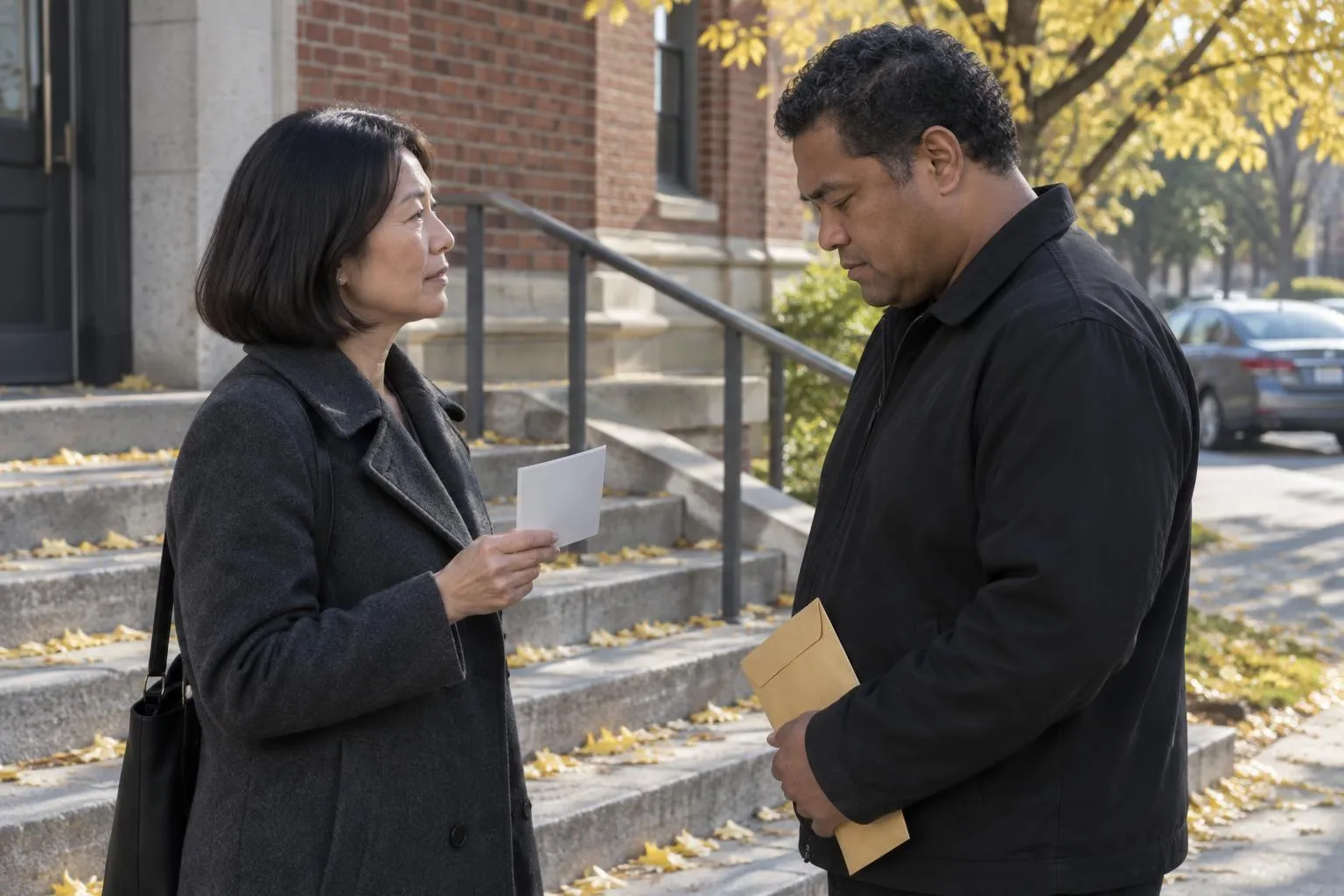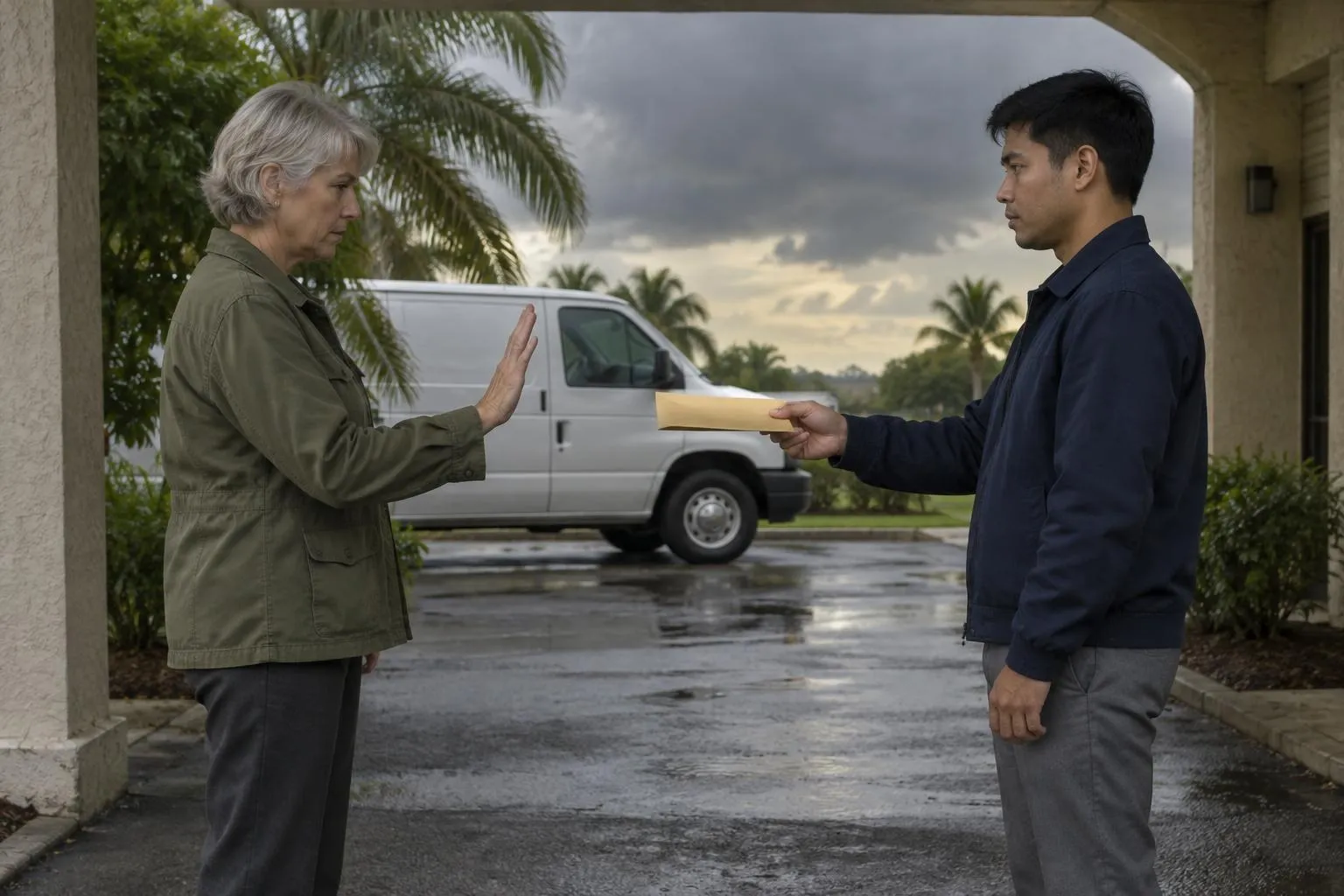
Get free quotes from process serving near you
Takes about a minute. Free, no obligation; providers reply to you directly.
A lawyer I know once handed a process server a stack of papers and said, “just use whoever’s cheapest.” Six weeks later, the defendant’s attorney moved to dismiss because the server hadn’t followed Florida’s certification requirements — and the case nearly died on a technicality that had nothing to do with the merits.
That’s when I started paying attention to the credential question.
The Short Version:In ~15-20 states, certification isn’t optional — hiring an uncertified server can get your case thrown out. In the rest, it’s genuinely a judgment call. The credential matters less than you’d think in permissive states, and more than you’d think in strict ones. Know your jurisdiction before you cut corners.
Key Takeaways:
- About 15-20 states require formal licensing, registration, or certification — Florida, California, Texas, and Nevada among them
- In strict states like Florida and Texas, uncertified service can result in case dismissal
- In permissive states like Maryland and DC, anyone over 18 can legally serve process
- Certification signals training and accountability, but experienced uncertified servers can outperform credentialed ones who are just going through the motions
The Credential Landscape Is a Patchwork
Here’s what most people miss: “process server certification” doesn’t mean one thing nationally. There’s no federal standard. What counts as a qualified server in California means nothing in Maryland.
Roughly 15-20 states have formal requirements — background checks (no felony convictions), written exams, ongoing education, and registration with a state agency. Texas runs its process servers through the Judicial Branch Certification Commission (JBCC), which also enforces a code of ethics and can pull your credential for misconduct. Florida operates under Statute 48.021, with certified servers required statewide. California requires registration under Business & Professions Code § 22350.
In these states, the credential isn’t a nice-to-have. It’s the price of admission.
In permissive states, the bar is much lower. Maryland and DC allow anyone over 18 who isn’t a party to the case to serve process. No test, no registration, no training required. In those jurisdictions, a neighbor with a car could technically serve your subpoena.
That gap — strict state vs. permissive state — is the single most important variable in answering whether certification matters for your case.
Certified vs. Uncertified: A Direct Comparison
| Factor | Certified Server | Uncertified Server |
|---|---|---|
| Legal standing (strict states) | Required for valid service | Service may be void |
| Legal standing (permissive states) | Accepted | Also accepted |
| Background check | Yes — no felony convictions | Not required |
| Training / exam | Yes | No |
| Ethics code / discipline | Yes (e.g., JBCC) | No oversight |
| Proof of service affidavit | Court-admissible, standardized | Quality varies |
| Liability insurance | Often required | Rarely carried |
| Evasion handling | Trained strategies, PI referrals | Limited |
| Cost | Higher (compliance overhead) | Often lower |
| NAPPS affiliation | Common | Uncommon |
Reality Check:Using a courier service or a “guy who can do it cheap” in a state that requires certification isn’t just risky — it’s throwing money at a problem you’ll have to solve twice. The cost of re-serving (if you even get the chance) dwarfs whatever you saved on the first attempt.
When Certification Is Non-Negotiable
Complex litigation. High-stakes cases where the defendant has counsel and will scrutinize every procedural step. Service in Florida, California, Texas, Nevada, Oklahoma, Rhode Island, or New York City. Any situation where the recipient is evasive.
In these scenarios, a certified server does more than hand over papers. They know the timing rules (many states have windows for service before hearings), the substituted service requirements, and how to document everything in a form the court will actually accept. They carry liability insurance. They’re subject to discipline if they cut corners.
Evasive recipients are where the gap becomes most visible. Certified servers — particularly those affiliated with firms like Lexitas or networks like NAPPS — have skip tracing resources and investigator relationships that a courier or uncredentialed freelancer simply doesn’t have access to. Real-time digital tracking and dispatch systems also reduce failed attempts in ways that matter when you’re racing a statute of limitations.
Pro Tip:If you’re serving in multiple states — say, a nationwide collection matter — don’t assume your go-to local server is credentialed everywhere they operate. The credential isn’t portable across state lines. Use a network of locally certified servers, or a national firm that manages compliance state by state.
When Experience Outweighs the Credential
I’ll be honest: in a permissive state, a veteran server with ten years of difficult serves and a spotless track record will outperform a freshly certified server who passed the exam last month. The credential signals baseline competence. It doesn’t guarantee judgment.
In jurisdictions where the bar is low — or where your case is straightforward, the recipient isn’t evasive, and you just need a clean affidavit — experience and reputation matter more than a certificate on the wall. Look for verifiable reviews, a solid affidavit format, and someone who can actually tell you what they’ll do if the first attempt fails.
The real differentiator in permissive states is documentation. Professional servers — certified or not — provide proof of service affidavits that courts accept without question. Couriers and informal arrangements often don’t, and that’s where cases fall apart.
The Villain in This Story
The villain isn’t uncertified servers. It’s the assumption that service of process is a commodity — that one warm body with a stack of papers is as good as another. It’s not. The legal system treats service as a constitutional requirement (due process), and courts are not forgiving when it’s done wrong.
Attorneys who treat process serving as a line-item cost to minimize are the ones who end up explaining to clients why their case was dismissed on a procedural technicality.
Practical Bottom Line
If you’re in a strict state (FL, CA, TX, NV, OK, RI, NYC): Use a certified server. Full stop. Verify their credential before you hand over the paperwork. Check for NAPPS affiliation as a secondary quality signal.
If you’re in a permissive state: Prioritize experience, documentation quality, and a proven track record over the credential. Ask specifically about their affidavit format and what happens on a failed first attempt.
For complex or high-stakes matters anywhere: Go certified. The premium for compliance, insurance, and accountability is small relative to the cost of a dismissed case or a re-serve.
For routine, straightforward service in permissive states: A qualified uncertified server with solid reviews and proper documentation can absolutely get the job done.
The credential question is really a risk management question. Know your state’s rules, know your case’s complexity, and hire accordingly. For a full breakdown of what process servers do and how to evaluate them, start with The Complete Guide to Process Servers.
Done reading? Get quotes from process servers near you.
Takes about a minute. Free, no obligation; providers reply to you directly.
Popular cities:
Nick built this directory to help attorneys and collections firms find licensed process servers without relying on courthouse bulletin boards or word-of-mouth — a gap he discovered when a missed service deadline nearly derailed a case he was tracking for a legal tech project.